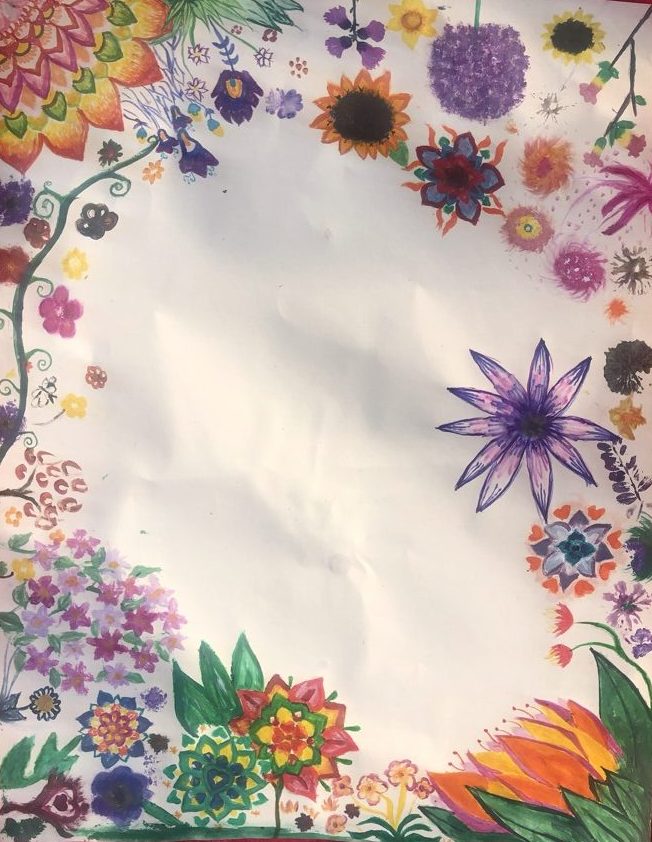
"Another world is already sprouting in the cracks of this one."
Permaculture is more than a way of growing food. It is a way of remembering how to live: in rhythm with the earth, in care for each other, in designs that heal rather than extract.
It belongs to no single person. It lives in every gardener who saves seeds, every artist who plants possibility, every community that chooses to regenerate instead of consume. It is the language of everyone who is awake, everyone who is saudade.
What Is Permaculture?
The word permaculture was coined in the late 1970s by Bill Mollison and David Holmgren as a contraction of "permanent agriculture", and soon widened into "permanent culture." At its heart, it is a way of designing human life so that it works with nature rather than against it.
- - An ethically grounded design system for human habitats and food production that cooperates with living systems instead of exploiting them.
- - A whole-systems approach that weaves together organic agriculture, renewable energy, water management, natural building, community design, and social structure.
- - A global movement of people designing regenerative homes, farms, and communities rooted in three ethics: Earth Care, People Care, Fair Share.
"Permaculture is the harmonious integration of landscape and people, providing for their food, energy, shelter, and other material and non-material needs in a sustainable way." — Bill Mollison
But more than a definition, permaculture is a feeling: the certainty that we are not separate from the land, that healing the earth is healing ourselves, that another world is already sprouting in the cracks of this one.
Why It Matters Now
We live in a time of climate instability, resource depletion, and deep disconnection. Permaculture offers practical, hopeful pathways to survive and thrive, not just by minimizing harm, but by actively regenerating life. Its importance shows up on many levels:
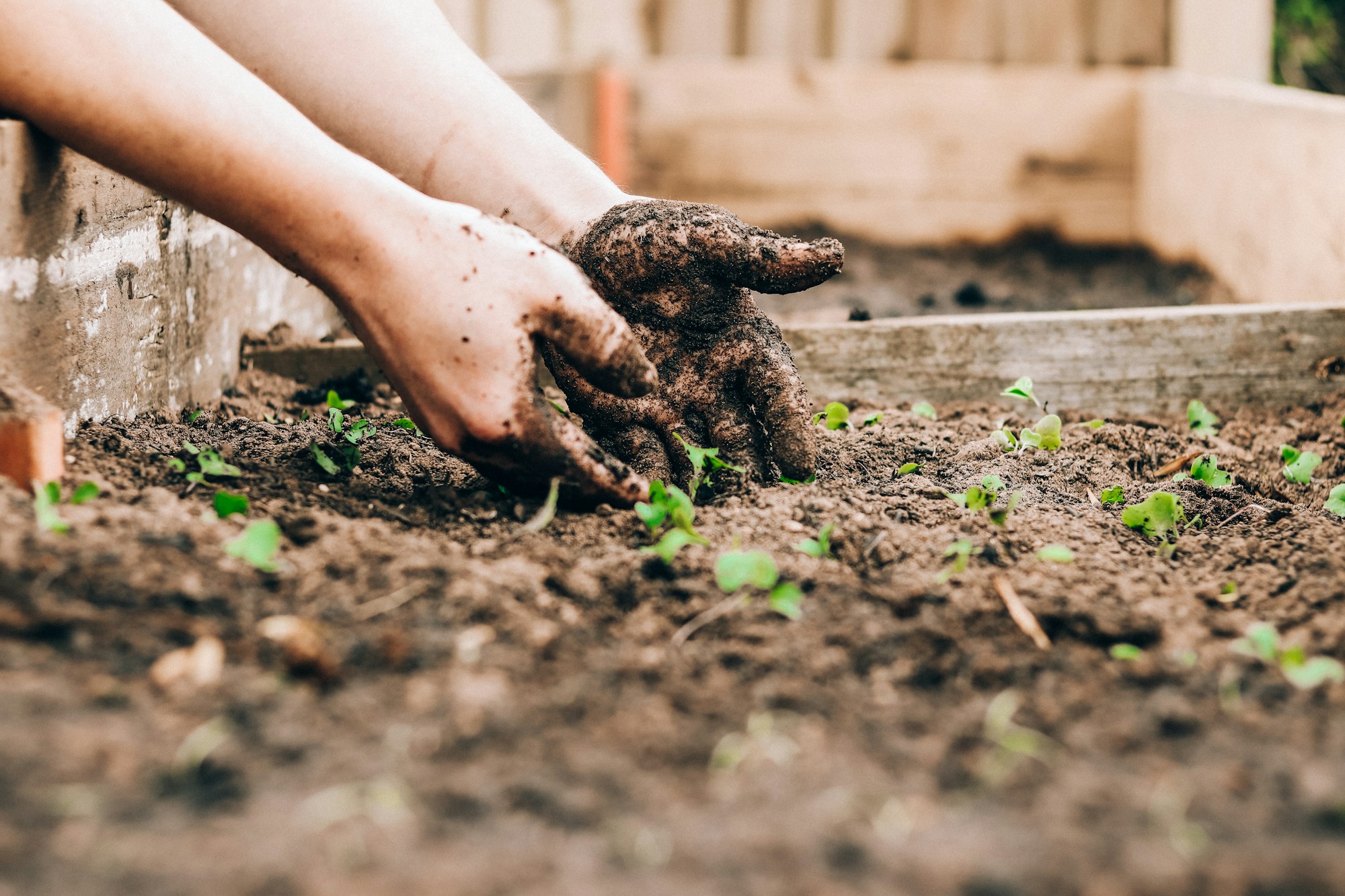
- - Regenerates soil and water: builds living soil, improves water retention, and reduces erosion and drought vulnerability.
- - Increases biodiversity: creates habitats where plants, animals, insects, and humans can coexist.
- - Helps address climate change: sequesters carbon through trees, perennial plants, and healthy soils.
- - Strengthens communities: fosters collaboration, local food security, education, and resilience.
- - Supports health: physically (cleaner air, water, and nutrient-dense food), mentally (belonging and purpose), and spiritually (meaningful connection to life).
In a world shaped by extraction, permaculture is a quiet rebellion of care, slowness, and abundance. It is the work of grandmothers saving seeds, young people building community gardens, artists designing living systems, dreamers imagining cities that breathe. It is the collective vision of everyone who is saudade.
The Ethics and Principles That Guide It
Permaculture rests on three ethics:
- - Earth Care: recognizing the planet as a living system with intrinsic value.
- - People Care: meeting human needs with compassion, collaboration, and dignity.
- - Fair Share: acknowledging limits, redistributing surplus, and caring for future generations.
From these ethics flow twelve design principles, as articulated by David Holmgren:
- - Observe and interact: learn from the land and the people before designing.
- - Catch and store energy: sun, water, biomass, knowledge, relationships.
- - Obtain a yield, ensure tangible benefits: food, shelter, health, joy.
- - Apply self-regulation and accept feedback: adapt and refine.
- - Use and value renewable resources: sun, wind, and water over fossil fuels.
- - Produce no waste: close loops; compost, reuse, share.
- - Design from patterns to details: see the whole before the parts.
- - Integrate rather than segregate: create relationships, not isolated elements.
- - Use small and slow solutions: scalable, adaptable, resilient.
- - Use and value diversity: ecological and social.
- - Use edges and value the marginal: creativity often lives at the borders.
- - Creatively use and respond to change: design for evolution, not stasis.
These are not rules. They are invitations: ways to align our choices with the intelligence of life.
How to Apply and Benefit From It
You don't need acres of land to practice permaculture. It begins as a way of seeing and grows into a way of living.
In Your Home and Daily Life
- - Observe your space: where do sun, wind, and water flow? Where do you waste energy or food?
- - Catch and store: collect rainwater, compost food scraps, save seeds, keep knowledge and skills alive.
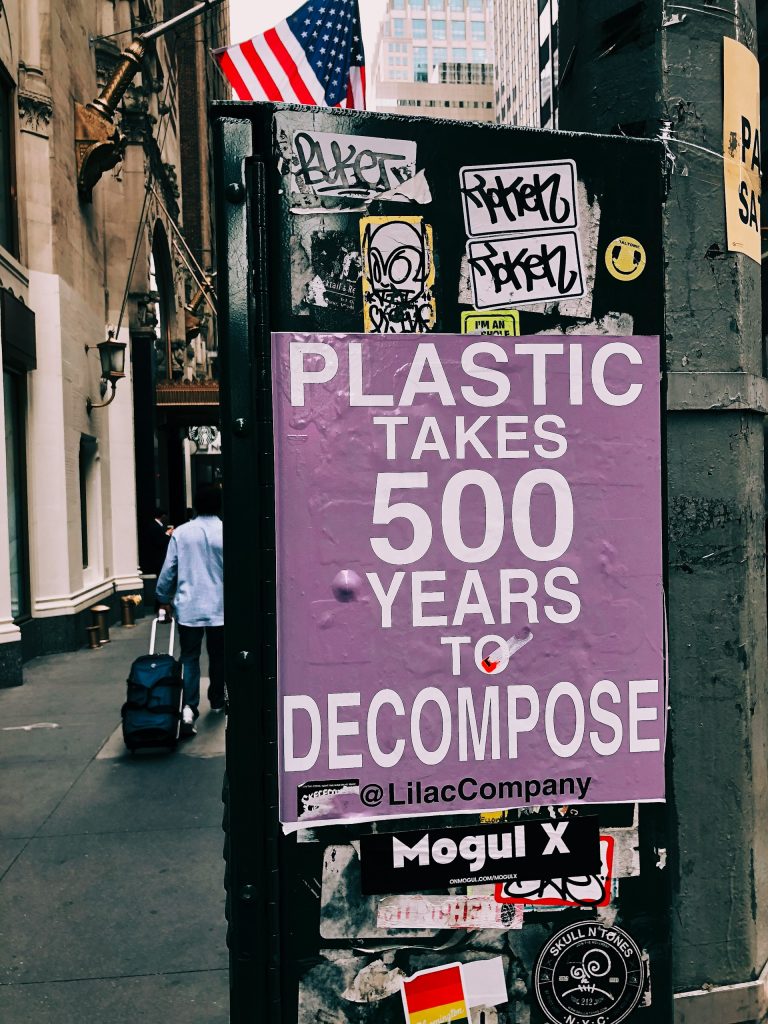
- - Reduce waste: choose reusables, repair instead of replace, share what you don't need.
- - Grow something, even a small herb garden, balcony pots, or a windowsill follows permaculture logic: diversity, soil care, closed loops.
- - Choose slow, local, seasonal: food, clothing, and objects that last and carry meaning.
In Gardens and Small Farms
- - Design with patterns: beds, paths, and plant groupings that mimic natural systems.
- - Integrate functions: plants that feed, shade, fix nitrogen, and attract pollinators, together.
- - Value diversity: mix annuals and perennials, companion plant, invite wildlife.
- - Build soil: mulch, compost, cover crops, minimal tillage.
- - Manage water wisely: swales, basins, rainwater harvesting, drip irrigation.
In Communities and Larger Systems
- - Community gardens and CSAs: shared growspaces, local food networks, skill exchanges.
- - Eco-villages and co-housing: shared energy, water, food, and care systems.
- - Education and collaboration: workshops, design courses, seed libraries, tool shares.
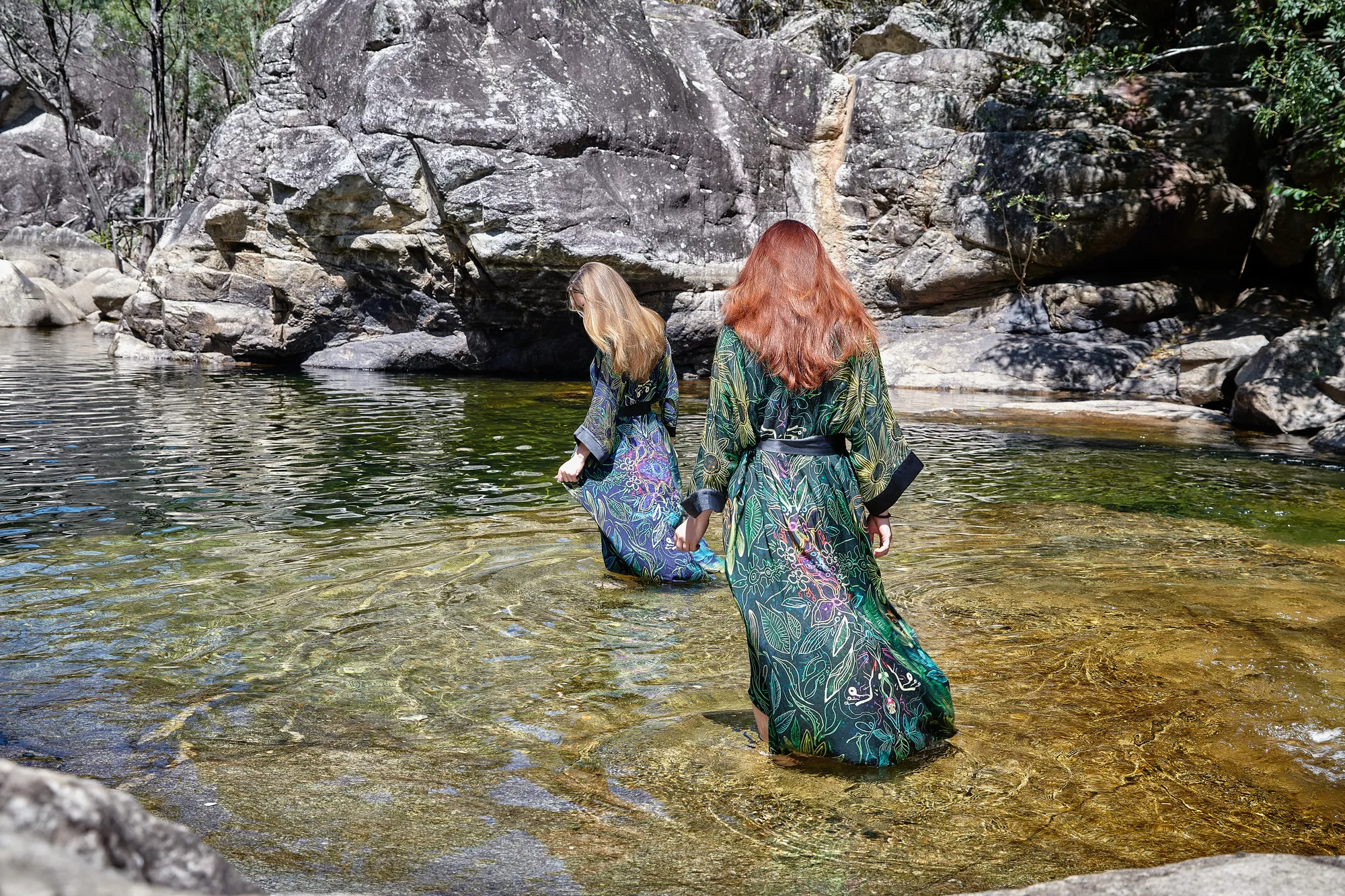
- - Support regenerative businesses: brands and projects aligned with Earth Care, People Care, Fair Share, like the vision of Saudade: a creative sanctuary where art, clothing, and land come together in a living system that heals.
Saudade and the Dream of Permanent Culture
At Saudade, permaculture is not an add-on. It is the heartbeat of the dream: a sanctuary where art, clothing, and land come together in a living system that heals. This dream does not belong to one person. It belongs to everyone who chooses, in small or large ways, to live as if the future matters:
- - The artists who feel the earth in their work and refuse to create from extraction.
- - The healers who tend bodies, minds, and soils with the same reverence.
- - The dreamers who imagine homes, cities, and economies that honor life.
- - The gardeners, the parents, the teachers, the makers.
Every purchase of Saudade's clothing, every seed planted, every act of care is a step toward Saudade Land, a self-sustaining hub where renewable energy, permaculture, and circular economies replace exploitation and waste.
In this sense, tending your garden, wearing clothes made with intention, sharing skills, and building community are all part of the same movement: creating a permanent culture, one that can endure, regenerate, and hold space for all of us who never quite had a place to belong.
Permaculture, then, is not someone else's project. It is everyone's vision. It is the vision of everyone who is awake, everyone who is saudade.
A Gentle Invitation
You don't have to change everything at once. Permaculture honors small, slow solutions. Start where you are:
"We came here to love the world back to life." If part of you never forgot this, permaculture is simply a language for that remembering, and you, with your hands, your heart, your choices, are already part of the movement.
- - Notice one pattern in your life or space.
- - Catch one form of energy you usually let slip away.
- - Close one loop: compost, repair, share, plant.
- - Join or support one project that feels aligned with Earth Care, People Care, Fair Share.
Sources and Inspiration
If you feel called to go deeper, these resources offered knowledge, clarity, and fuel for this text. May these paths support your own remembering.