I believe (and hope) that we have all pondered this question at some point. It is, in fact, a very important question to consider because the commercial and manufacturing aspects of the clothing industry can be overwhelming.
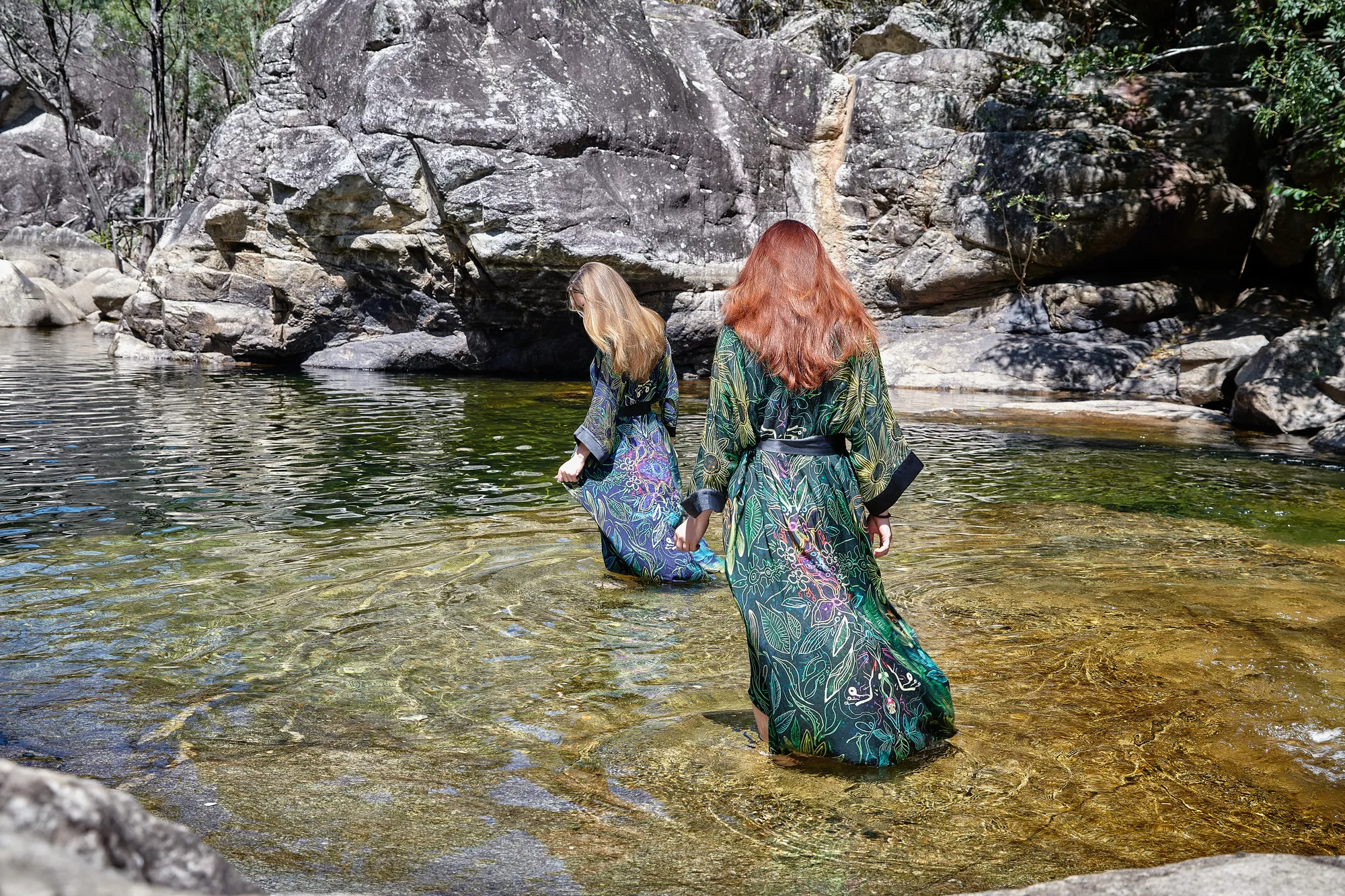
Every Saudade piece is born from love and intention. Designed by Mayka and produced sustainably, each garment is crafted with care, sourcing only the finest natural, high-frequency fabrics and working with makers who share our belief that how something is made matters as much as what is made. From the thread to the final stitch, every choice is aligned with Saudade's vision: to create beauty that heals, honours the earth, and elevates the people who wear it.
The Fashion Industry
Let us understand the most common textiles:
Polyester: 55%, Cotton: 27%, Cellulosic Fibres: 7%, Polypropylene: 4%, Nylon: 5%, Wool: 1%
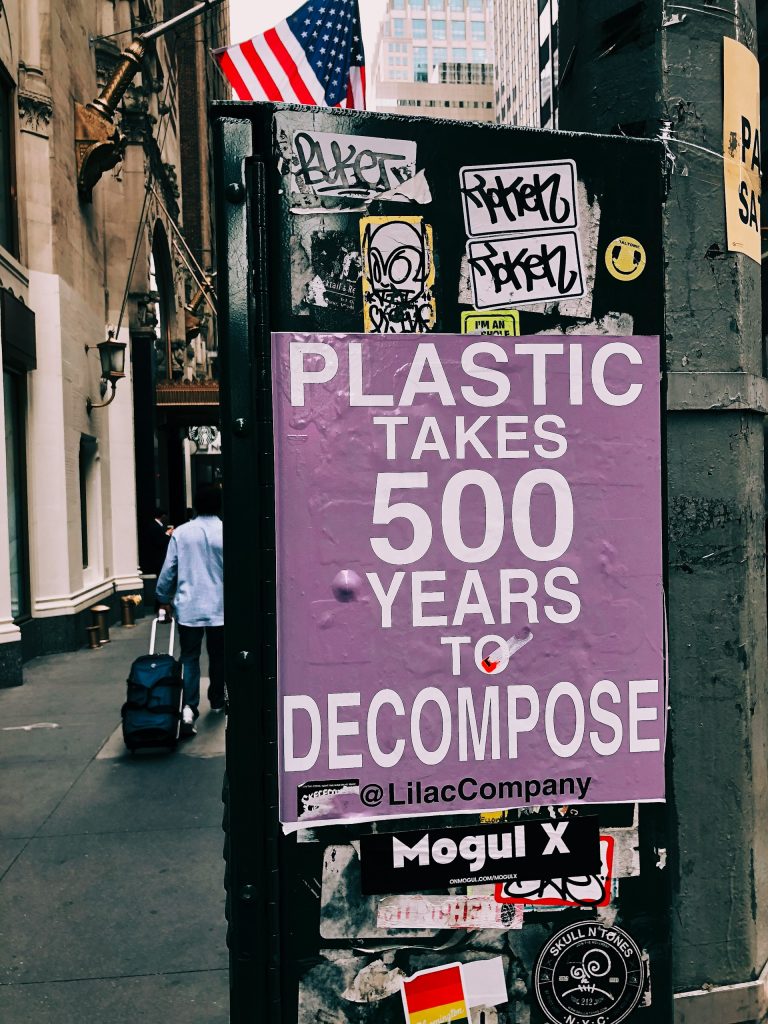
At its core, polyester is plastic: a product of petroleum, coal, and water, designed for cheapness, not consciousness. Its production demands enormous quantities of water and chemicals, a cost our planet quietly absorbs. And with every wash, microplastics flow into our waterways, entering ecosystems and bodies in ways we are only beginning to understand.
Clean, free-flowing water is one of our most sacred resources. Every conscious choice we make, including what we wear, is a vote for the world we want to live in.
The good news is that nature has already given us everything we need. Numerous natural fibres can replace synthetic materials entirely, and most offer far better quality, durability, and harmony with the body. We have the power to create a sustainable world. Clothing is one of the most tangible places to begin.
How about starting with our shopping choices? What feels better against your skin, plastic or natural fibres?

The Weight of What We Throw Away
Every second, the equivalent of a full garbage truck of clothing is either burned or buried somewhere on this earth. Globally, the fashion industry generates 92 million tonnes of textile waste each year, a number so large it becomes almost abstract until you picture the mountains of discarded clothes blanketing the Atacama Desert in Chile, visible from space, dyed in the colours of last season's trends.
Fast fashion has engineered a world where clothing is treated as disposable. Production has doubled in the last two decades while the average garment is worn fewer than ten times before it is thrown away. We were not always like this. And we do not have to remain this way.
The Hands Behind the Label
There are approximately 40 million garment workers in the world. Most of them are women. Many earn less than a living wage: in some of the largest producing countries, that means less than three dollars a day. Behind the low price tag on a fast fashion piece is almost always a human being who paid the true cost instead.
Children too are part of this invisible workforce: in cotton fields, in dyeing facilities, in factories without windows. Not because their families lack love, but because a system built on speed and cheapness has made their labour necessary for someone else's profit.
In 2013, the Rana Plaza factory collapsed in Bangladesh. 1,134 garment workers died. Thousands more were injured. Workers had reported cracks in the building the day before. They were told to return anyway.
We share these truths not to overwhelm, but because awareness is the first thread of change. When we know, we can choose differently. And every conscious choice, every garment bought with intention, is a quiet but powerful act of solidarity with the people and the planet on the other side of the label.
"The most sustainable garment is the one already in your wardrobe. The most revolutionary act is choosing well."
Sources and Inspiration
To go deeper into the story behind our clothes, these resources offered knowledge and clarity: